
Online vs Classroom: Which RYA Theory Format Suits You?
Should you study your RYA navigation theory online or book into a classroom? The right choice depends on your time, your learning style, and how you like to practise new skills. This guide sets out the real differences (beyond the marketing), the gotchas to avoid, and a simple blended plan that gives you flexibility and confidence on the water.
What “theory” really means (and why it matters)
RYA theory isn’t trivia. It’s the knowledge that turns good intentions into safe decisions: reading charts and publications, using buoyage correctly, calculating tidal heights and streams, planning pilotage, interpreting forecasts, and applying the Collision Regulations (COLREGs). If those topics feel mysterious, that’s normal — we all start there. You can warm up with approachable modules that pay off immediately afloat:
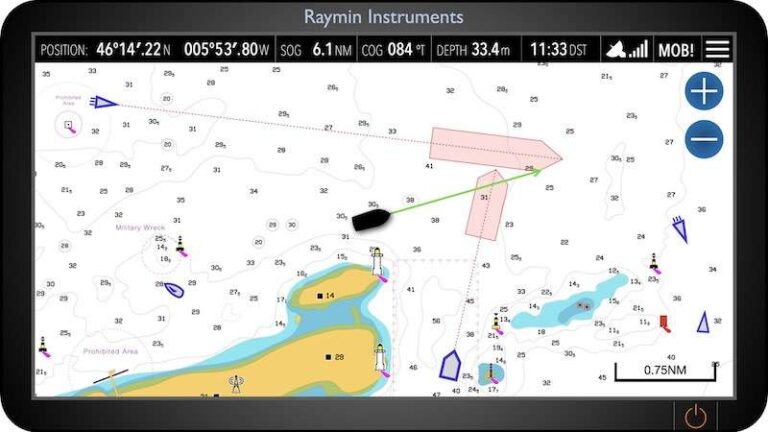
- How to read the map! — chart symbols, depths, bearings and distances.
- Knowing where you are! — visual/electronic fixes that keep you honest about position.
- Passage Planning & Making — turn APEM (Appraise, Plan, Execute, Monitor) into a habit you’ll actually use.
- Weather (Meteorology) — forecast sources, synoptic charts and what “good enough” looks like.
Online learning: where it shines
- Flexibility: learn in short bursts that match real life. Revisit tricky tides until they click.
- Replay value: rewatch the exact explanation you need the night before a trip.
- Zero commute: your “classroom” can be the galley table, a lunch break, or the sofa.
- Immediate consolidation: jump from a module into a short practice session, then return later with questions.
Online learning: what can be hard
- Distractions: home study competes with life. Use short, focused sessions (15–25 minutes) and a simple tick-list.
- Feedback lag: without an instructor in the room, it’s easy to replay a misunderstanding. Use built-in checks and ask questions early.
Classroom learning: where it shines
- Immediate coaching: an instructor can spot a tiny plotting error before it becomes a bad habit.
- Structured pace: a timetable pushes you through the syllabus steadily.
- Social learning: you pick up tips from classmates’ questions and mistakes (we all make them!).
Classroom learning: what can be hard
- Fixed schedule: great for routine, tough for family/work clashes.
- One-and-done explanations: once the lesson’s over, the explanation lives in your notes — there’s no “rewind”.
Best of both: a blended route that actually works
Here’s a simple plan many students love:
- Work through the core online modules (charts, tidal heights, APEM, IRPCS) at your pace.
- Book a short classroom workshop (or a 1:1 tutorial) to attack your sticky topics: course-to-steer, secondary ports, or night lights.
- Finish online with targeted revision and take your assessments when you feel calm and competent.
Support and assessment: what to expect
You’ll have access to instructors for questions, plus structured assessments at the end. For a feel of finishing Day Skipper Theory, see the Day Skipper Assessment overview.
Time & cost: honest expectations
- Time: around 40 hours for Day Skipper Theory, more if your maths is rusty. Spread it over weeks so concepts bed in.
- Cost: classroom adds travel and fixed dates; online adds flexibility and replay value. Choose what helps you finish well.
Study tactics that work (whichever format you choose)
- Spaced practice: 25-minute blocks with 5-minute breaks beat a long weekend of cramming.
- Start with wins: warm up with one short module, then tackle a harder topic.
- Say it out loud: explain a problem to a friend; if you can teach it, you understand it.
- Keep a “parking lot” list: write down questions as they appear and ask your tutor before the next session.
Plan your sessions (and stick to them)
Don’t leave study to “when I get a spare moment”. Decide your evenings/days now and make them recurring calendar entries so life has to fit around your learning, not the other way round.
- Pick your slots today: choose two weeknights and one weekend session you can defend (e.g., Tue & Thu 20:00–20:30, Sun 09:30–10:15).
- Make them recurring appointments: add them to your calendar with reminders. Treat them like a class—phone on Do Not Disturb, kettle on, get it done.
- Keep it short: use the 25+5 rule (25 minutes focused study, 5 minutes break). Two focused blocks beat a fuzzy hour.
- Pre-flight setup: leave chart, plotter, dividers and pencils ready the night before; bookmark the next module so you start instantly.
- Habit cue: anchor the session to something you already do—“after washing up, I do one study block”.
- Accountability: text a friend/crewmate your plan on Sunday night and send a thumbs-up selfie of each completed session.
- Backup plan (“if–then”): If I miss Tuesday, then I do Wednesday 07:00–07:30. Put that in the calendar too.
- Milestones: create calendar notes for Week 3 (mock chartwork paper) and Week 5 (general paper). Pencil a target assessment week so your study has an end point.
Example weekly cadence: Tue 20:00–20:30; Thu 20:00–20:30; Sun 09:30–10:15. Small, regular wins beat marathon cramming every time.
Choosing the right format for you
- If you need flexibility: go online first, then add a short in-person workshop for tough topics.
- If you thrive with structure: go classroom, but ask for online materials you can replay afterwards.
- If you’re unsure: start online with charts and position fixes. If you enjoy it, commit to the full theory.
Enrol when you’re ready
- Enrol in Day Skipper Theory (online)
- Enrol in Essential Navigation & Seamanship (online)
- Join the free Sailing Essentials course
Related RYA courses (overview & providers)
Pick the format that gets you moving, not the one that sounds perfect. Consistent progress beats the best-laid plan.