


Estimated Position (EP)
A plotted position obtained by advancing a known position and applying estimated effects such as tidal stream and leeway.
Usually abbreviated EP, it begins with a fix or another accepted position, then uses course steered, speed through the water and elapsed time together with the best available estimates of external movement. In traditional UK chartwork it is distinguished from a dead-reckoning position, which omits those external corrections.
An EP is marked and timed as an estimate and its uncertainty grows with errors in every input. The end of a chartplotter’s COG vector is a projection from a live position under assumed continuing motion, not automatically the same construction or evidential quality as a traditional EP.
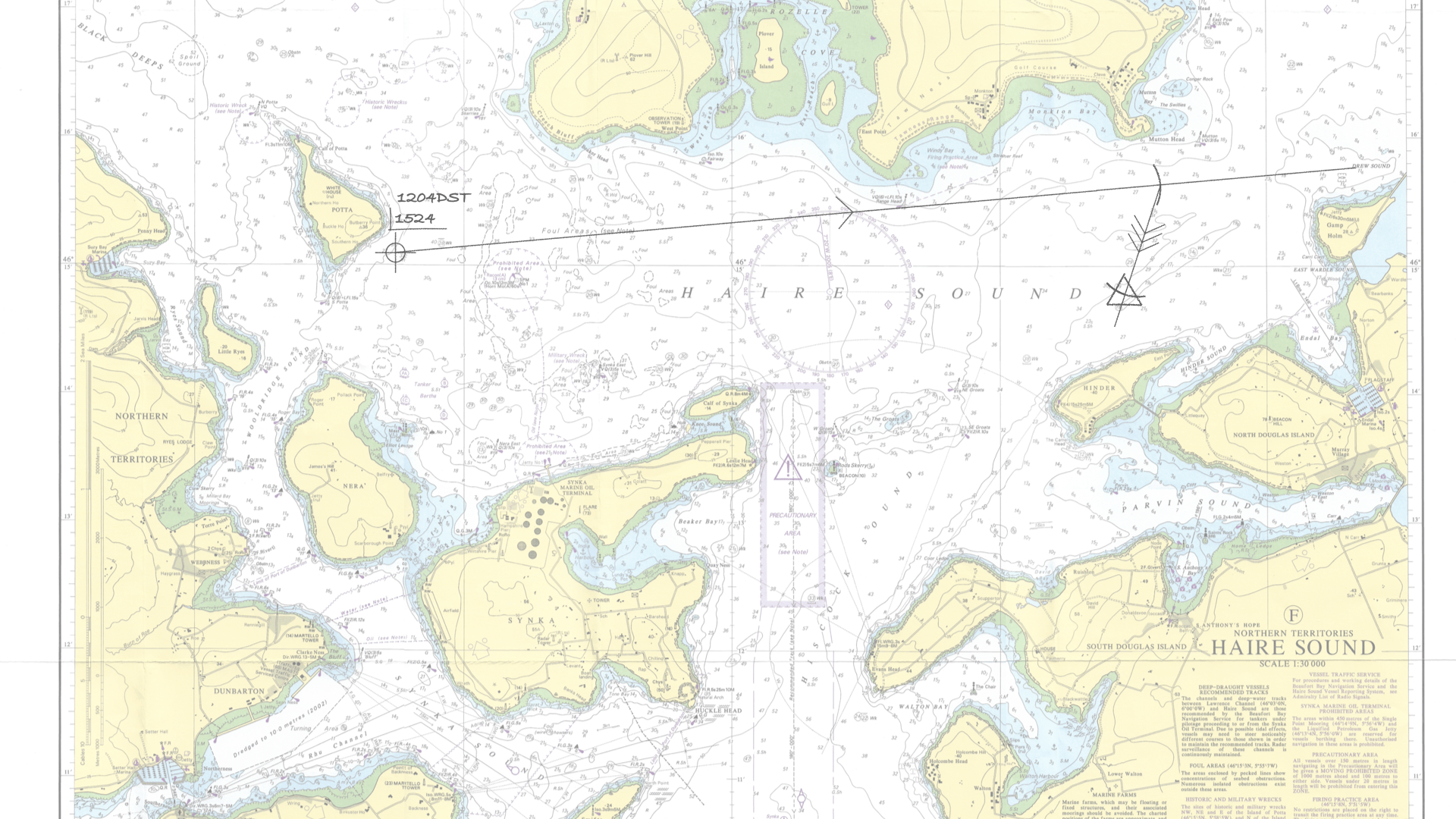
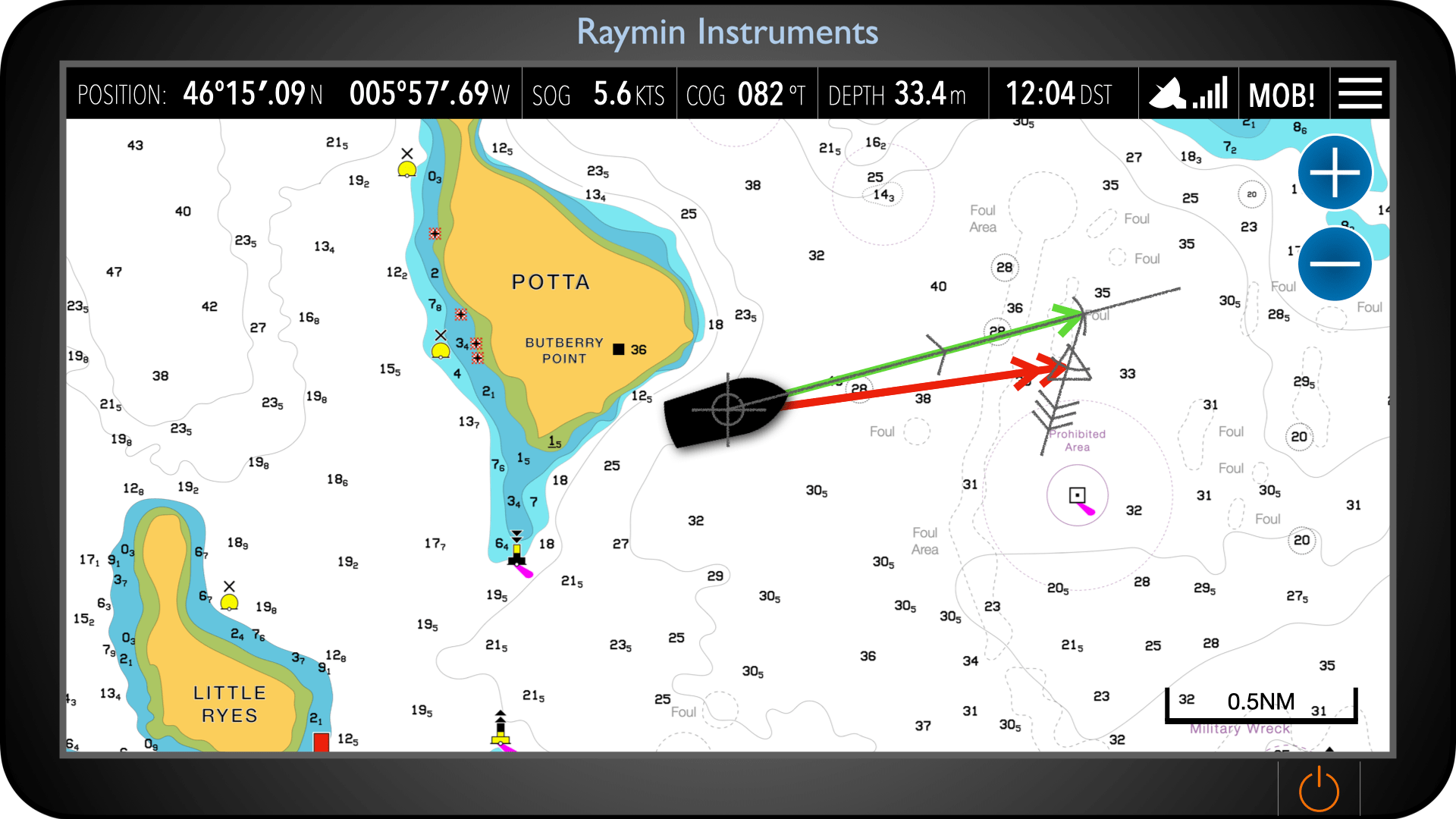

How to plot an Estimated Position
A step-by-step guide showing how to plot an Estimated Position. This chart plotting technique is taught in the Plotting Positions module of the Day Skipper Theory course.
...More Details