

Whilst You’re Settling Into Your Sunday Evening, Spare a Thought for Team Nautilus…
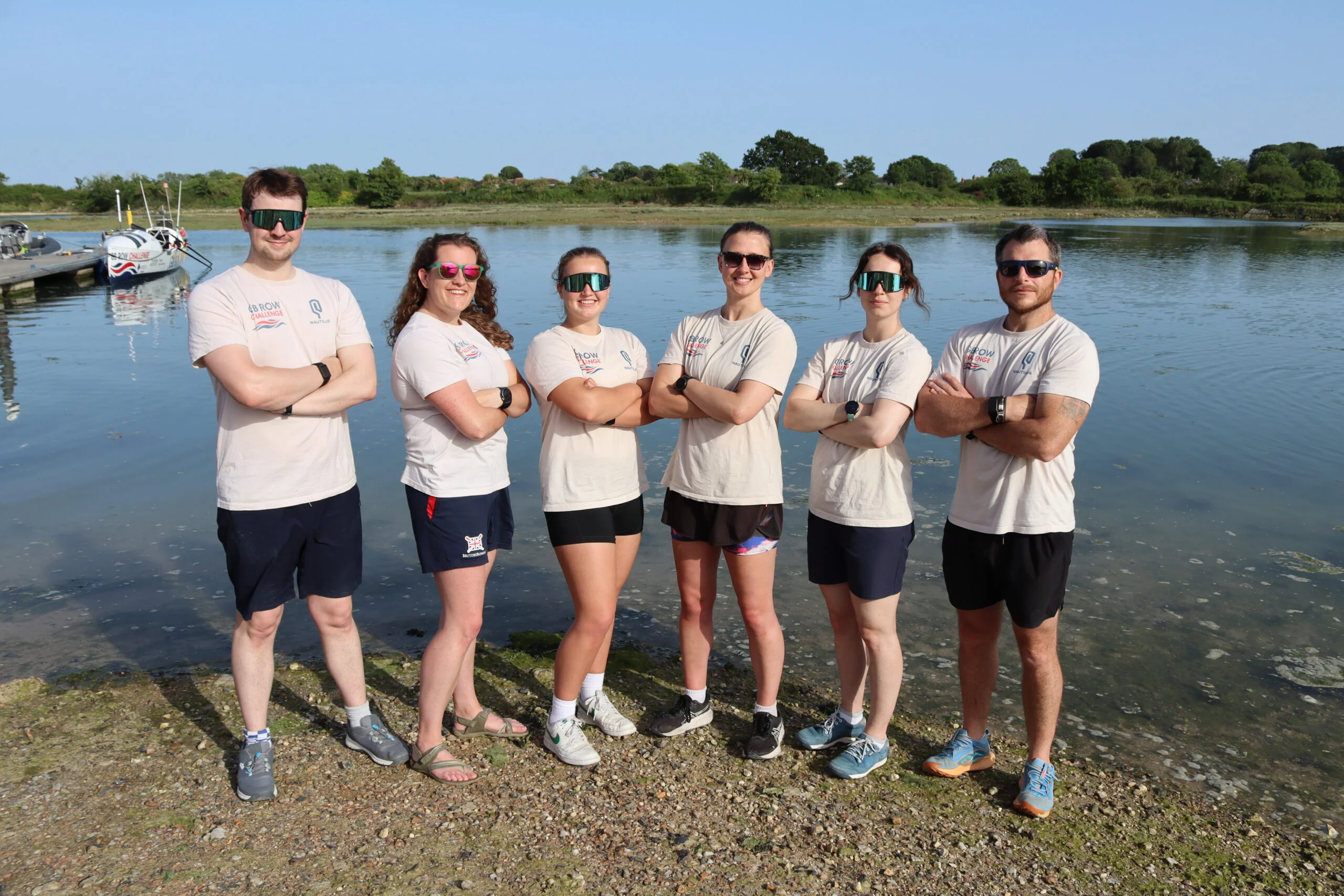
Whilst you’re settling into your Sunday evening, perhaps enjoying a cup of tea, watching a film or planning the week ahead, spare a thought for Team Nautilus.
As most of us settle down for the evening, six rowers are beginning one of the toughest endurance challenges on the planet.
Earlier today, Team Nautilus departed from Tower Bridge in London to begin the GB Row Challenge, an unsupported 2,000-mile circumnavigation of Great Britain. Their mission is simple to describe, but incredibly difficult to achieve. Row around the entire coastline of Great Britain without outside support, relying only on preparation, teamwork, determination and the ability to overcome whatever the sea decides to throw at them.
At My Sailing Course, we’re incredibly proud to have played a small part in helping the team prepare for this remarkable adventure. Every member of Team Nautilus was given access to our RYA Day Skipper Theory course, helping them develop the navigation knowledge needed to tackle some of the most challenging waters around the British Isles.
When people think about endurance rowing, they often picture endless hours on the oars, aching muscles and very little sleep. Whilst all of those things are certainly part of the challenge, there is far more to this adventure than simply rowing.
The waters around Great Britain present a constantly changing navigational puzzle. From the busy shipping lanes of the English Channel to the powerful tidal streams of the Pentland Firth, every section of coastline brings new hazards, opportunities and decisions.
A well-timed tidal gate can provide valuable miles for free. Get it wrong and hours of hard-earned progress can quickly disappear against adverse currents. Add in commercial shipping, changing weather systems, offshore traffic separation schemes, coastal hazards and the challenges of operating around the clock, and it becomes clear why navigation is such an important part of the challenge.
These decisions won’t be made from the comfort of a chart table. They will often be made after days of limited sleep whilst living aboard a small ocean rowing boat.
That’s why understanding charts, tides, passage planning, weather forecasting and collision regulations forms such an important part of the team’s preparation. Whilst no online course can replicate the realities of life at sea, we hope the knowledge gained through the Day Skipper Theory course proves useful as Team Nautilus works its way around Britain’s coastline.
What makes this challenge particularly exciting is that Team Nautilus isn’t simply aiming to complete it.
Given the right weather windows, favourable tides and a little help from Mother Nature, they have ambitions of posting a seriously competitive time around the course.
The current record stands at just 26 days.
Of course, records at sea are never guaranteed. Success depends on countless factors, many of which are beyond the crew’s control. Weather systems can delay progress. Strong headwinds can reduce boat speed dramatically. Tidal streams can either help or hinder. Equipment must perform flawlessly and the crew must remain healthy, focused and motivated throughout.
But one thing is certain. Team Nautilus has prepared extensively and will be giving everything they have in pursuit of their goal.
What makes the GB Row Challenge even more special is that it isn’t just about endurance and personal achievement.
Throughout their voyage, Team Nautilus will be contributing to important scientific research. Working alongside researchers from the University of Portsmouth, crews participating in the challenge collect environmental data from around the British coastline.
This includes monitoring microplastic pollution, environmental DNA (eDNA), sea temperature, salinity and underwater noise levels.
The data gathered helps scientists build a better understanding of the health of our coastal waters and marine ecosystems. Previous expeditions have already revealed surprising levels of microplastic pollution around Britain’s coastline, highlighting the importance of ongoing monitoring and research.
Every rowing shift, every sample collected and every mile covered contributes to a growing body of scientific knowledge that could help shape future conservation efforts.
It’s a powerful reminder that adventure and science can work hand in hand.
The challenge itself is immense.
Covering approximately 2,000 miles, crews face some of the most demanding waters found anywhere in Europe. They’ll encounter busy commercial shipping routes, powerful tidal races, unpredictable weather and the physical demands of operating twenty-four hours a day for weeks on end.
There will be spectacular sunrises, difficult nights, challenging decisions and moments that few people ever get the opportunity to experience.
For those of us following from dry land, the good news is that we can track their progress every step of the way.
Follow Team Nautilus Live
You can follow the team’s progress using the links below:
We’ll be following their progress closely over the coming weeks and sharing updates as they make their way around the country.
As sailors, navigators and lovers of the sea, it’s impossible not to admire the scale of what Team Nautilus is attempting.
They’re not just rowing around Great Britain. They’re testing themselves against the tides, the weather and the sea itself, whilst contributing valuable scientific research and inspiring others to pursue challenges that many would consider impossible.
So whilst most of us head to work tomorrow morning, Team Nautilus will still be out there, rowing through the night, navigating Britain’s coastline one mile at a time.
Fair winds, favourable tides and following seas to everyone aboard.
We’ll be cheering you on every stroke of the way.