
Reefing Right: When to Reduce Sail (and by How Much)
Reefing isn’t an admission of defeat; it’s how good skippers keep the day relaxing. The golden rule is simple: if you’re thinking about reefing, it’s time. This article turns that adage into practical steps — when to reef, how much, and a crew-friendly flow for both mainsail and headsail on typical UK cruising yachts.
When to reef: clear, practical triggers
- Comfort & control: heel climbing past ~15° and staying there, weather helm building, frequent round-ups, or the leeward rail flirting with the water.
- Gust behaviour: each gust needs a big luff or dump from the mainsheet; the boat surges then stalls. If trimming can’t smooth it, reef.
- Forecast timing: a line of showers or a front arriving in the next hour — reef before it lands, especially near headlands or bars.
- Crew factors: short-handed, nightfall, cold or tired crew → reef early and relax the workload.
Before you reach for a reef, use quick de-power trims: flatten the main (outhaul), add Cunningham, raise traveller and ease sheet for more twist, and move jib leads aft to open the leech. If that only buys a few minutes, put the reef in — you’ll go faster and point higher with the boat upright.
Prep that pays off (before leaving the berth)
- Run and test reefing lines: make sure tack hooks/downhaul and clew lines are free, led cleanly, and marked for Reef 1 / Reef 2 / Reef 3.
- Mark halyards: a tiny whipping or Sharpie at the halyard for each reef saves guesswork.
- Brief roles: who helms, who eases/takes halyard, who handles the clew line, who tends the vang/traveller.
- Clip-on plan: confirm jackstays and when/where to clip (forward of the cockpit, at night, in rain/spray, or when anyone goes to the mast).
The step-by-step reefing flow (slab-reefed mainsail)
- Decide & say it: “We’re putting in Reef 1.” Clarity calms the boat.
- Set the boat up: choose a close-hauled or close-reach course with the traveller high and mainsheet eased for twist — this depowers the main while keeping apparent wind forward and the boat steady. If short-handed or bouncy, heave-to for a stable platform.
- Ease controls: ease vang/kicker first so the boom can rise and the luff can drop without fighting the leech; ease mainsheet as needed.
- Lower to the mark: ease the main halyard to your Reef-1 mark. Hook the tack onto the reef horn (or pull the tack downhaul), then take up on the clew reef line until the new foot is firm.
- Re-tension: re-tension halyard (firm luff = power control), snug the outhaul, then re-set vang to match the sea state (leave twist in a gusty breeze).
- Tidy & check: stow buntlines/ties if fitted (loose, around the sail only — never around the boom); confirm the leech isn’t hooked and the battens aren’t jammed on rigging.
- Re-trim & balance: drop the traveller to centre, re-trim jib, and aim for light weather helm. If the bow still hunts up in gusts, take Reef 2 sooner not later.
Reefing the headsail (roller furling)
- Furl smoothly: head to a slightly freer course to reduce load, ease sheet a touch, then roll to the desired mark on the furling line.
- Move the lead forward: as you reef the headsail, move the jib car/lead forward to keep the leech working; otherwise the top twists off and drive collapses.
- Watch shape limits: beyond ~60–70% on many genoas, shape degrades unless you have a foam luff. If you need that much reduction, consider another reef in the main and a smaller headsail where possible.
- Balance the rig: for most cruising boats, reef main first to tame weather helm, then take a roll in the headsail to keep drive and pointing.
How much to reef (and in what order)?
Every hull, rig and sail plan has its sweet spot, but these patterns fit many UK cruisers:
- First reef main when heel and weather helm build; keep most of the headsail for drive.
- Second reef main before the next step up in wind or sea state — you’ll arrive drier and less tired.
- Headsail rolls as needed to balance the helm and keep the boat tracking; maintain a slot between jib and main.
- Pre-emptive reefs before nightfall, rain bands, headlands with tide, or bar entrances. You can always shake a reef out in flat water.
Target feel: a touch of weather helm, steady heel around 10–15°, no round-ups in gusts, helmsman relaxed. If in doubt, smaller sails usually mean higher average speed over the day.
Shaking a reef out (without drama)
- Choose steady water and a settled course, preferably close-hauled/close-reach.
- Ease vang, take a little sheet, lower halyard to take strain off the clew line, ease the clew reef line, unhook/loosen the tack, then re-hoist to your full-sail halyard mark.
- Re-set vang, outhaul and Cunningham for the breeze you have, not the breeze you wanted.
Safety first (small habits, big dividends)
- Clip on: anyone forward of the cockpit clips to jackstays — no exceptions at night or in rough water.
- Hands and lines: keep fingers clear of reefing horns and blocks; wear gloves; call “made fast” clearly before the helm re-loads the sail.
- Vang awareness: the vang is powerful; ease before dropping halyard to avoid shock loads and torn luffs.
- Engine as a tool: on a short-handed boat, a gentle push ahead stabilises the bow while you reef to windward.
Common mistakes (and quick fixes)
- Waiting too long: your boat is slower and wetter; reef earlier and you’ll often go faster over the ground.
- Forgetting the jib lead: moving the car forward as you furl keeps the leech drawing.
- Halyard too soft: a baggy luff = draft aft = power spike and weather helm. Re-tension after the reef is in.
- Leech too tight: over-vang = hooked leech and stalling; keep twist in gusty, lumpy water.
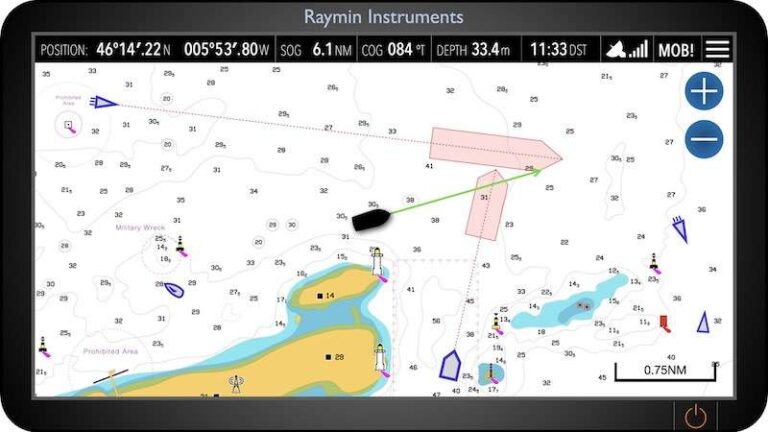
- Waypoints on marks: when overpowered you need searoom. Keep routes away from buoys and hard edges so you can luff/fall off safely.
Make a “reefing card” for your boat
Write a one-page card and tape it by the companionway:
- Roles: Helm / Halyard / Reef line / Vang & traveller / Lookout.
- Sequence (main): Decide → Vang off → Close-reach → Halyard to mark → Tack on → Clew in → Halyard on → Trim & tidy.
- Sequence (headsail): Ease sheet → Roll to mark → Car forward → Re-trim.
- Pre-emptive triggers: approaching front; headland + wind-against-tide; night; cold/tired crew.
Where this fits in your learning
Reefing is where theory becomes feel. Pair your practice with short refreshers:
- Seamanship — knots, sail handling, and tidy habits that reduce drama.
- Weather (Meteorology) — understand veers/backs and shower gusts so you reef before they arrive.
- Passage Planning & Making — build “reef early” into your plan and brief.
- Keeping Safe at Sea — clipping on, comms, crew brief for rougher water.
Enrol when you’re ready
- Start Day Skipper Theory (online)
- Enrol in Essential Navigation & Seamanship (online)
- Join the free Sailing Essentials course
Related RYA courses (overview & providers)
If you’re thinking about it, it’s time. Reef early, keep the boat on her feet, and enjoy how everything — helm, crew, and decisions — gets easier.