Are you looking for something nautical related? Our directory is an extensive list of courses and places associated with the marine industry. Hop over and search now.
We believe every day’s a school day on a boat! That’s why we built Nautical Know-How, dedicated to answering your questions. Even better, if it can’t answer your question immediately, you can request it, and we’ll add it to our knowledge base.
“Under the weather” is commonly used to describe feeling ill or unwell. Its origin can be traced back to maritime language and practices. Here are the key points of its origin:
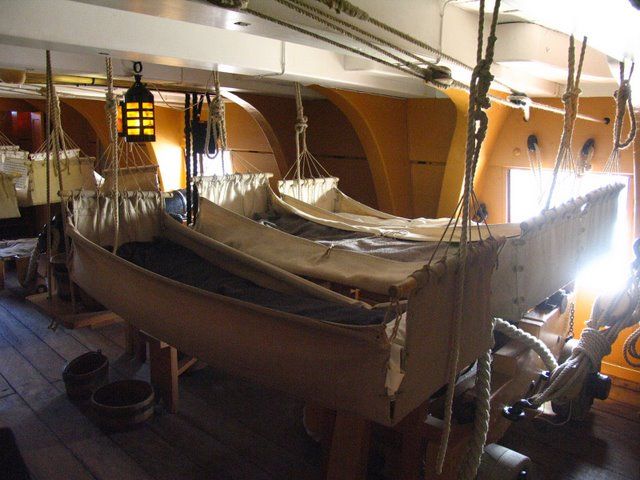
Nautical Origins: The phrase likely comes from the days of sailing ships, when sailors used weather-related terminology. When sailors were unwell, they were often sent below deck to recover. The area below deck was shielded from the harsh weather conditions above, hence the phrase “under the weather.”
“Under the Weather Bow”: Another possible nautical connection is the phrase “under the weather bow.” The weather bow is the side of the ship that faces the wind and receives the brunt of the weather. Being under the weather bow meant being on the side of the ship that was more protected from adverse conditions, thus relating to feeling the effects of bad weather less directly.
General Maritime Hardship: Life at sea was tough, and sailors were frequently exposed to harsh weather conditions, which could lead to illness. Being “under the weather” could metaphorically represent feeling poorly due to the rough weather experienced at sea.
Overall, the phrase “under the weather” has its roots in maritime culture, symbolising the relationship between bad weather and feeling unwell, whether from direct exposure or as a result of being confined below deck to avoid the elements.
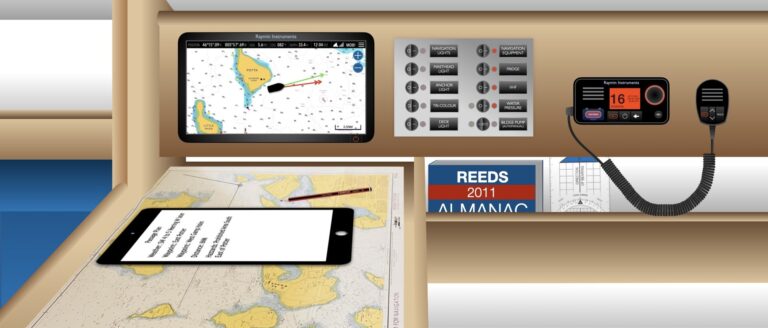
Build a digital passage plan an RYA instructor can read in 60 seconds. Show “decisions for reasons” with clear evidence.
• What they check: clarity, safety margin, reasons, alternatives, backup.
• The 4-page pack: route overview, tides and streams, pilotage, weather and limits.
• Prove your sources: chart edition, model run time, reference and secondary ports.
• Keep it simple to share: GPX, PDF, and one printed summary.
• Finish with a checklist you can copy.
Read the full guide and make a plan that stands up to inspection.
A Practical Guide To Licensing Requirements If you have stood on a yacht and asked yourself whether you need a licence to take charge, you are not alone. Rules vary by country, the boat you sail, and whether you own or charter it. This guide covers the UK, Mediterranean, and Caribbean. It includes links to…
When you’re at sea, understanding the weather isn’t just about checking your app — it’s about reading the sky, feeling the wind, and spotting pressure trends. These natural signs often give you far more warning than a digital forecast. In this post, we’ll explore how to identify common cloud types, interpret wind shifts, and understand…
RYA Day Skipper Theory is the course that takes you from crew to confident skipper. This guide explains what the RYA Day Skipper Theory course involves and how to choose the right online course. You will learn how to plan passages, work tides, and navigate safely using charts and real-world techniques. You will also learn…
Why Some Sailors Just Can’t Stay Ashore The wind howls like a banshee, rain lashes against the windows, and the mere thought of venturing outside sends shivers down your spine. It’s a perfect day… for some hardy souls to don their foul-weather gear, wrestle their boats from the clutches of winter, and head out onto…
Fastnet ’79 changed sailing. A sudden August storm, five yachts lost, lives cut short—and safety rules rewritten. We’ve pulled the lessons skippers still use today: heavy-weather choices, DSC/MAYDAY drills, horizontal recoveries, and practical prep you can do this week.
My Sailing Course contributes 1% of every Stripe payment to help promising carbon removal technologies move from the lab into the field.
1% of each paymentA £100 payment creates a £1 contribution from us.Selected for impactStripe works with scientific advisers to select early-stage carbon removal projects.Our contribution is automaticWe make the contribution after every eligible Stripe payment. Customers do not need to opt in or pay anything extra.
Stripe Climate commitments fund the development and purchase of carbon removal. They are not carbon offsets or credits attached to an individual order.
My Favourites
Notifications
MY SAILING COURSE
Hello, Visiting Sailor!
Welcome to My Sailing Course. Where's this adventure going to take you?
Your account details are encrypted in transit and your password is never displayed or stored by this form. By continuing, you agree to our Terms & Conditions and acknowledge our Privacy Policy.
Before you sail away…
Join free to save your favourites, unlock bonus learning resources and keep everything nautical close at hand.
MY SAILING COURSECreate your account
Join the My Sailing Course community with one secure account for your courses, profile and support.
✓
Welcome aboard!
We've successfully created your account. Hold station for a few moments and you will be returned to the page.