
The Clipper Race Goes Global: Stitching Diversity into UK Sailing’s Fabric
The Clipper Round the World Yacht Race has always been more than a test of seamanship; in 2025 it has become a living example of how sailing can open its doors. The 14th edition starts from Portsmouth on 31 August 2025, with amateur crew from around the world training in the Solent and getting ready to cross oceans on 70-foot race yachts. The message is simple: high standards and wide welcome can coexist — and that combination is changing how our sport grows. (See sources below.)
From British endeavour to global invitation
What began as a British initiative has steadily turned international. In recent editions, non-British participants have become the majority, representing over 40 nationalities (43 in the last race) — and 2025–26 is on track to be even more diverse. Younger crews also show a near-equal gender mix, with women making up a large share of the under-40 cohort. The result is a fleet that looks more like the world it sails through, without softening the demands of the course.
How the model works: training, entry points, and access
Clipper’s pathway is intentionally practical. Every participant completes an intensive four-level training programme in the Solent — roughly four weeks of structured, progressive training — covering offshore safety, sail handling, night sailing, heavy-weather drills and emergency procedures under professional skippers. Crew can join for a single leg or the full circumnavigation, which spreads cost and makes participation feasible for different budgets and life stages. New sailors learn the habits they’ll use forever: clip-on culture, watch systems, tidy decks, clear comms, and the calm boringness of good seamanship.
Leadership is changing too
Diversity isn’t just in the crew lists. The 2025–26 edition features the highest number of female Skippers to date, alongside more female First Mates, signalling a real (and welcome) shift in professional leadership at sea. That visibility matters: when newcomers see leaders who look like them, the sport feels possible.
Why diversity strengthens a team offshore
Diverse crews bring more than different passports; they bring different perspectives and resilience. Offshore, the ocean is the great equaliser: it demands communication, humility and shared problem-solving whatever your background. Teams that blend ages, skills and lived experiences tend to learn faster, keep morale steadier on the long legs, and tell richer stories when they get home.
Lessons UK clubs and organisers can adopt now
- Create accessible entry points. Offer tasters or short “fundamentals” courses that don’t require years of prior experience.
- Front-load safety and confidence. Short, intense training — harness use, MOB drills, heavy-weather reefing — makes newcomers feel capable early.
- Tell human stories. Share personal motives and transformations, not just stats and trophies. People join people.
- Offer modular routes. Allow members to build skills in blocks (day sails → coastal weekends → offshore milebuilders) so time and budget aren’t barriers.
Practical pathways if this has lit a spark
If the Clipper story has you itching to learn, here’s the calm, proven route to build real skills — starting small, aiming big:
- Join the free Sailing Essentials course — get your bearings and the language of the sea.
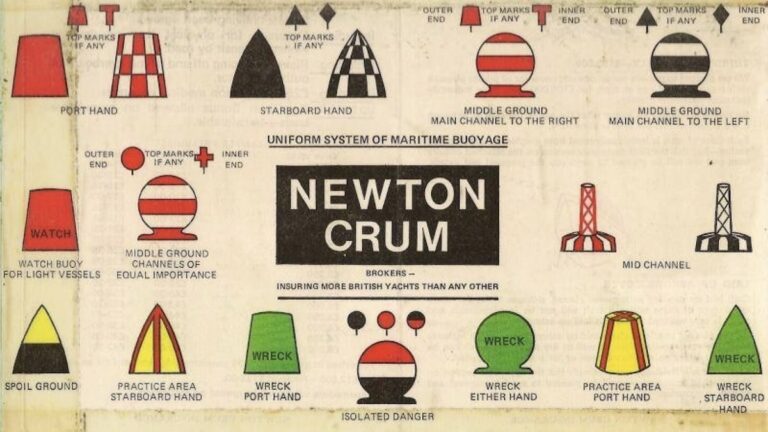
- Essential Navigation & Seamanship (online) — tidy basics for charts, buoyage and safety.
- Day Skipper Theory (online) — build the navigation and decision-making foundation you’ll rely on offshore.
Related RYA courses (overview & providers)
- RYA Competent Crew — live aboard, learn the ropes, watchkeeping and seamanship.
- RYA First Aid — essential medical confidence for offshore legs.
- Offshore Personal Survival (World Sailing/RYA) — sea-survival techniques and equipment.
- RYA Radar — make better decisions when visibility drops.
Training, culture, and the cost question
Clipper’s modular entry (leg or circumnavigation) and staged training make the race more accessible than traditional pro campaigns, while still demanding commitment. For many, it’s a life pivot: mid-career sabbatical, retirement chapter, or a deliberate year of challenge. Just as importantly, crew bring their momentum home — into clubs, charities and training schools — widening the welcome locally.
Looking ahead
As the fleet departs Portsmouth and the 40,000-mile route unfolds, the ripple effects will reach back to local waters. Alumni return with energy, fresh recruits and new expectations. If the sport wants to grow sustainably, it needs both headline events and accessible pathways. The Clipper Race shows how those goals sit side by side — and how UK sailing can stitch diversity into the fabric without unpicking the seam.
Further reading
- Clipper 2025–26 Race Edition overview
- Race start/finish in Portsmouth (31 Aug 2025)
- Clipper Race Training: four levels, Solent
- Female leadership on the 2025–26 edition
- Global participation figures and nationalities (news)